+86+86-18903185773


+86+86-18903185773

ubberBrakeHosevsStainlessBraidedBrakeLine
Walk into any motorcycle forum, 4×4 group or performance shop and you'll see the same argument: "braided lines are a gimmick" vs. "they transformed my brake feel." Both sides are partially right — and mostly talking past each other. Let's pull the two products apart on the bench and compare them on engineering terms, not marketing language.
A conventional rubber brake hose is built in layers: an inner synthetic rubber liner that contacts the fluid, one or two woven textile (and sometimes steel) reinforcement layers, and a thick outer EPDM/CR rubber jacket that protects against ozone and abrasion. It's crimped to steel or plated-steel end fittings at both ends. It's cheap, quiet, flexible — and it stretches.
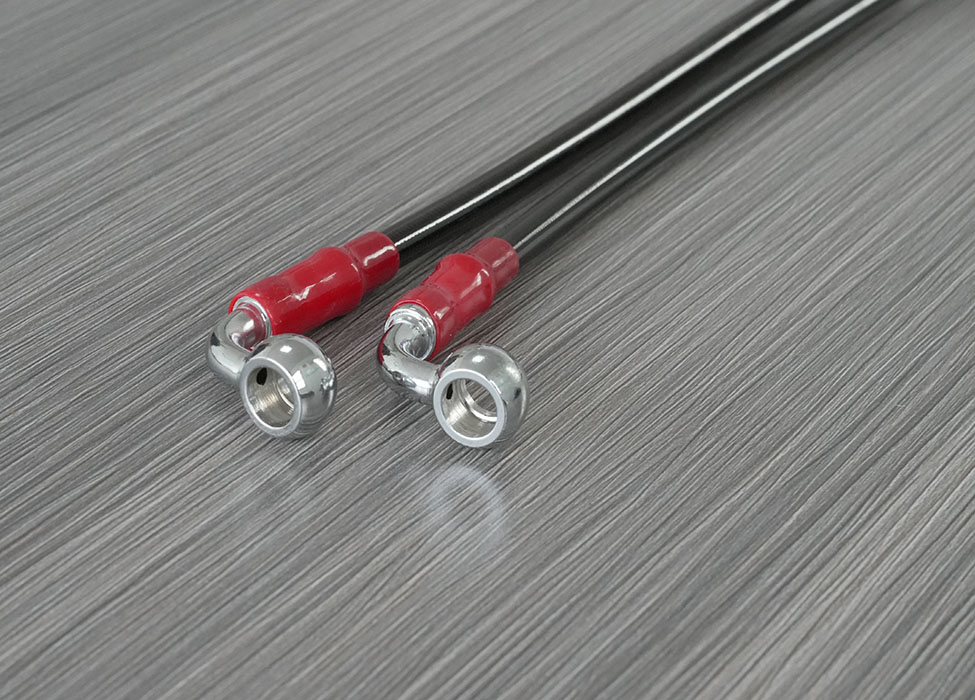
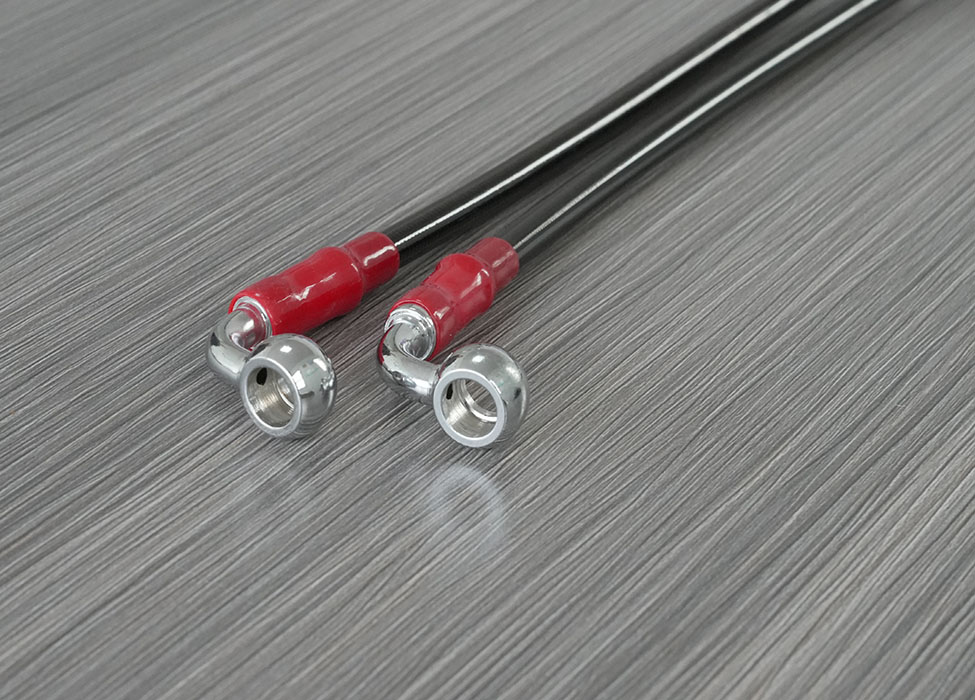
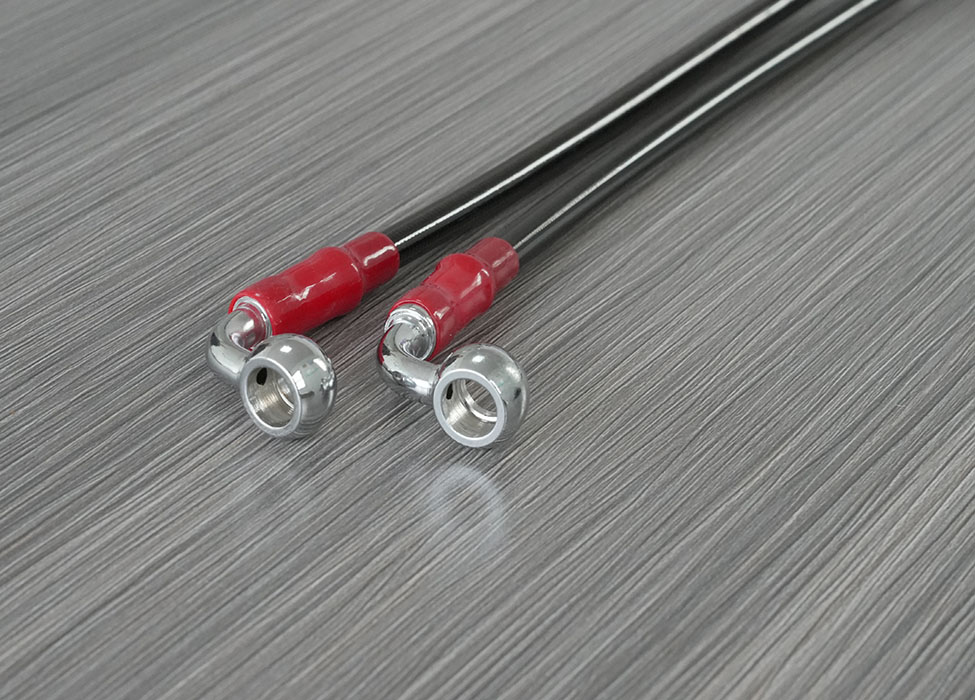
A braided performance line is built around a PTFE (Teflon) inner tube — the same material used in aerospace and fuel-injection systems. Over that core is a tight 304 stainless steel wire braid that contains the tube under pressure. End fittings are CNC-machined from 303 or 304 stainless steel (banjo / fish-eye / female port / straight-thread, depending on application) and either crimped or, on premium kits, re-usable fitted. The result is a line that moves fluid with almost zero volume change.
| Criterion | Rubber Hose | PTFE + Stainless Braid |
|---|---|---|
| Expansion under 100 bar | Noticeable (~2–5** volume swell) | < 1** (essentially rigid) |
| Temperature range | −40°C to ~120°C continuous | −70°C to ~260°C continuous |
| Aging by UV / ozone | Cracking in 4–6 years | No degradation |
| Chemical resistance to DOT fluid | Swells slowly over years | Inert |
| NVH (noise / harshness) | Quieter | Slightly more transmit tick/click |
| Upfront cost | Low | Higher, but one-time |
Note: when people say "steel brake line," they usually mean either the braided PTFE line described above, or the hard steel tube that runs along the chassis (which is a different part entirely — rigid, never flexes, and rusts from the inside). The comparison that matters for replacement is flexible rubber hose vs. flexible braided line.
We manufacture all four configurations so customers don't have to compromise between a "performance" and "inspection-legal" product:
Don't see your vehicle listed? Send us your original hose, a photo, or a drawing with the dimensions — we manufacture to spec. Custom orders typically ship within 15–20 working days depending on fitting availability. Talk to our engineering team →
OEM rubber: every 4–6 years or 60,000–80,000 km. PTFE braided: no scheduled interval — inspect visually during annual service and replace only on visible fitting corrosion or accident damage. Time matters more than mileage because rubber ages whether the vehicle moves or not.
They improve consistency, which is what most people mean by "feel safer." A braided line doesn't make the car stop shorter on one cold stop. It prevents the pedal from going long and vague during repeated, hot, or hard braking — exactly the conditions where drivers and riders panic. For anyone riding a motorcycle, towing, or driving in mountainous/desert terrain, that difference is immediate and obvious.
Yes, once the right fittings are built. We don't sell a one-size universal kit. Send us the original hose, a dimensioned drawing, or a clear photo with the banjo size visible, and we quote a bolt-in solution. We also take OEM projects — if your team has its own drawing, we produce to it.
Next :
PTFETeflonBrakeHoseEngineeringQualityControlandCustomAssemblySolutionsPrev :
How Motorcycle Brake Hose Routing Affects Braking PerformanceWholesale Brake Line & Brake Hose Supplier | Bulk Orders Only
 Hengshui City, Hebei, China.
 +86+86-18903185773