+86+86-18903185773


+86+86-18903185773

Scooter Brake Hose: Function, Material Options, Why It Matters for Daily Riding
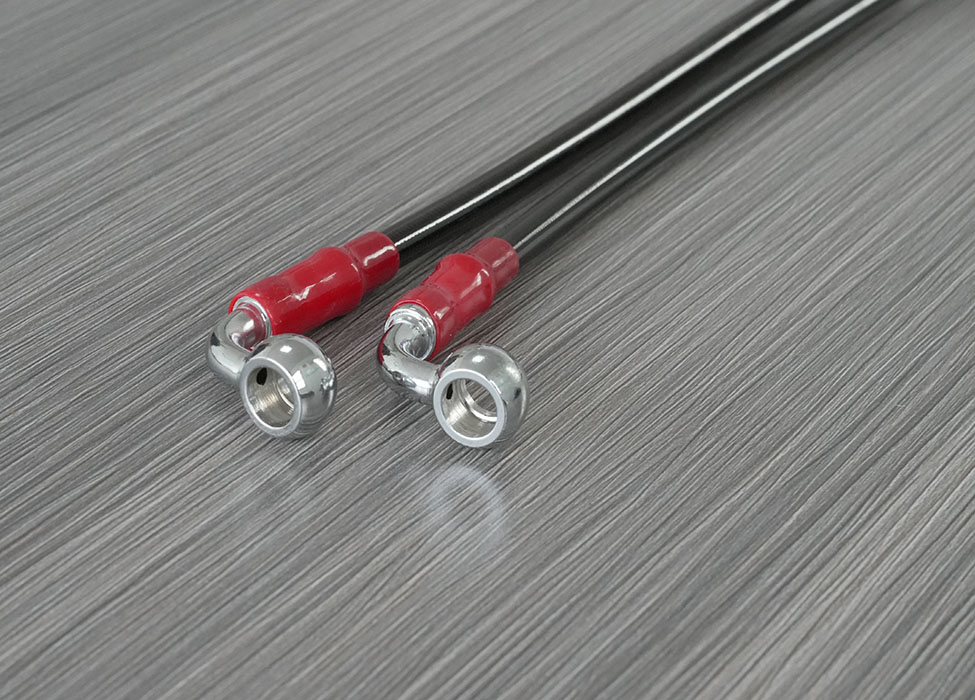
A scooter brake hose is a flexible hydraulic component that transfers brake fluid pressure from the master cylinder to the caliper or wheel brake assembly. Although it is a small part of the braking system, its condition has a direct impact on brake response, lever feel, and rider safety. For daily commuting scooters, delivery scooters, and small-displacement urban models, hose performance becomes even more important because the brake system is used frequently in stop-and-go traffic.
The main job of a scooter brake hose is to carry hydraulic pressure while allowing the front fork and wheel assembly to move freely. The hose must stay flexible enough for steering and suspension movement, but strong enough to resist pressure expansion, heat, vibration, and environmental wear.
When the rider squeezes the brake lever, fluid pressure travels through the hose to activate the brake caliper or drum-related hydraulic system. If the hose expands too much, pressure transfer becomes less direct and the rider may feel a softer or less precise brake response.
Scooters operate with frequent front-end movement, especially in city riding. The hose must flex repeatedly without twisting, rubbing, or developing stress cracks. Proper routing is just as important as material quality.
Rubber brake hoses are common in standard OEM replacement applications. They offer good flexibility and are cost-effective, which makes them suitable for many everyday scooters. However, rubber hoses may expand more under pressure and can age faster in hot, humid, or high-UV environments.
Nylon brake hoses are used in some custom and specialty scooter applications where routing stability and lightweight construction are important. Nylon can provide a cleaner installation layout, but the hose must be matched carefully to the vehicle's pressure and temperature requirements.
PTFE-based scooter brake hoses are selected when the rider or buyer wants better pressure stability and lower expansion under braking load. These hoses are often used in upgraded scooter projects where pedal or lever feel needs to be more consistent.
Braided brake hoses are reinforced with an outer layer that helps control expansion and improve durability. For scooters used in demanding conditions, braided construction can provide a firmer lever feel and better resistance to wear from vibration and road exposure.
A hose with lower expansion usually gives a more direct and predictable brake lever feel. Riders often notice this during repeated braking, downhill riding, or emergency stops.
When the hose holds pressure more efficiently, braking remains more stable across different temperatures and riding conditions. This is important for scooters used in dense traffic or hot climates.
Better hose structures generally last longer when exposed to heat, humidity, dust, and vibration. In markets with strong sunlight and frequent daily use, this becomes a key factor in hose selection.
Many riders notice brake performance changes only after the hose has already aged. Common signs include a softer brake lever, visible cracks on the outer layer, fluid leakage near fittings, or delayed braking response. These are usually not isolated symptoms. In most cases, they indicate that the hose is no longer performing as designed.
When the outer layer becomes stiff or cracked, the hose may be losing flexibility and resistance to pressure cycles.
Swelling can indicate internal deterioration or pressure-related fatigue. This is a serious warning sign and should be inspected immediately.
Any wet mark near the hose end, fitting, or crimp area should be treated as a potential failure point. Even a small leak can reduce hydraulic pressure.
Choosing the right brake hose is not just about price. The correct product should match the scooter model, riding environment, and expected service life. Buyers should consider the following points before ordering or replacing a hose.
Daily commuter scooters, performance scooters, and delivery scooters may all need different hose structures. A hose that works well in one application may not be the best choice for another.
Incorrect fitting angles or hose length can create installation stress and shorten service life. Always confirm the connector specification before mass purchasing or replacement.
In hot, humid, or dusty markets, material resistance to heat and aging becomes especially important. Buyers in Southeast Asia, the Middle East, Japan, Korea, and Africa often need products that can handle harsher environmental conditions.
Regular inspection is the simplest way to extend hose life. A scooter brake hose should be checked during routine service, especially if the scooter is used daily or in a hot climate. Brake fluid condition should also be monitored, since contaminated fluid can reduce system reliability over time.
Scooter brake hoses play a direct role in braking performance, comfort, and safety. Rubber, nylon, PTFE, and braided structures each have their own advantages, but the right choice depends on the scooter type, riding conditions, and service requirements. For buyers and workshops, selecting the correct hose and installing it properly can make a noticeable difference in daily riding performance.
Wholesale Brake Line & Brake Hose Supplier | Bulk Orders Only
 Hengshui City, Hebei, China.
 +86+86-18903185773