Scooter Brake Line Complete Guide: Structure, Materials, Standards, Selection, and MaintenanceBrake lines are one of the most crucial safety components in a scooter's hydraulic braking system, responsible for delivering pressurized brake fluid from the master cylinder to the calipers for precise and responsive braking. For daily commuters, urban riders, and scooter enthusiasts, understanding the structure, material properties, certification standards, replacement cycles, and upgrade options of brake lines directly impacts riding safety, handling, and durability. This guide details everything you need to know about scooter brake lines, helping you make informed maintenance, replacements, and performance upgrades.
Core Function: The Scooter's Hydraulic LifelineScooter brake lines are flexible hydraulic lines connecting the fixed frame and the movable suspension/fork assembly. Unlike rigid metal brake lines, flexible lines adapt to steering and suspension travel while maintaining a stable pressure output. Key functions include:
- Pressure Transmission: Delivers high-pressure brake fluid (typically 10–15 MPa during emergency braking) without leakage or excessive expansion.
- Dynamic Flexibility: Remains intact through millions of steering, compression, and rebound cycles without cracking or breaking.
- Abrasion and Heat Resistance: Withstands road debris, UV radiation, high braking system temperatures, and environmental corrosion.
Damaged brake hoses can cause a sluggish brake lever feel, delayed response, increased braking distance, or sudden brake failure—therefore, using certified and well-maintained brake hoses is crucial.
Construction and Material Types: Rubber vs. Stainless Steel Braided
Modern scooter brake hoses are mainly divided into two categories, differing in internal and external construction. Each type is suitable for original equipment manufacturer (OEM) configurations or performance upgrades.
Standard Rubber Brake Hose (OEM Specification)
Most OEM scooters use multi-layered reinforced EPDM or high-grade oil-resistant rubber hoses:
- Inner Layer: Oil-resistant synthetic rubber, providing a seal and resisting brake fluid corrosion.
- Reinforcing Layer: High-strength fiber or aramid braided layer to limit pressure expansion and improve burst strength.
- Outer Layer: Abrasion-resistant, UV-resistant, and ozone-resistant rubber protective layer.
Advantages: Low cost, meets original equipment manufacturer (OEM) specifications, quiet operation, easy replacement; ideal for 50cc-150cc city scooters.
Disadvantages: Material will gradually age; slight expansion under heavy braking; shorter lifespan; softening feel over time.
Stainless Steel Braided Brake Hose (High Performance/Upgraded Type)
These hoses are widely used in upgraded, sport, and high-displacement scooters, featuring a high-quality multi-layer structure:
- Inner Core: PTFE (Teflon) liner, offering excellent heat resistance, zero oil absorption, and minimal expansion.
- Reinforcement Layer: 304 stainless steel braided sleeve, key to achieving near-zero expansion and direct pressure transmission.
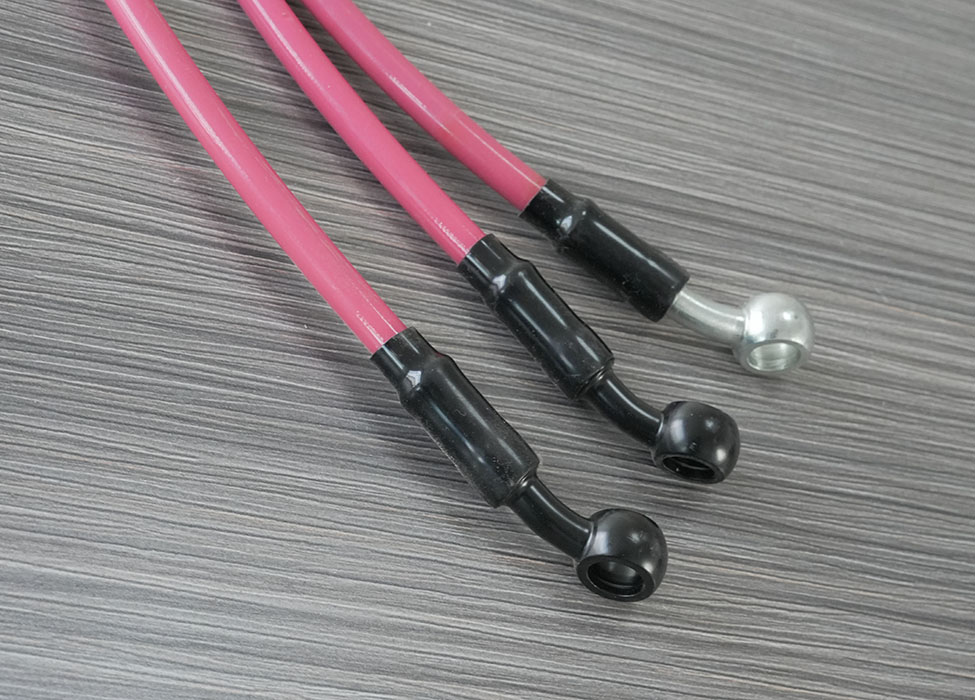
- Outer Layer: Colored PVC/nylon abrasion-resistant, UV-resistant sheath protecting the braided layer and preventing abrasion.
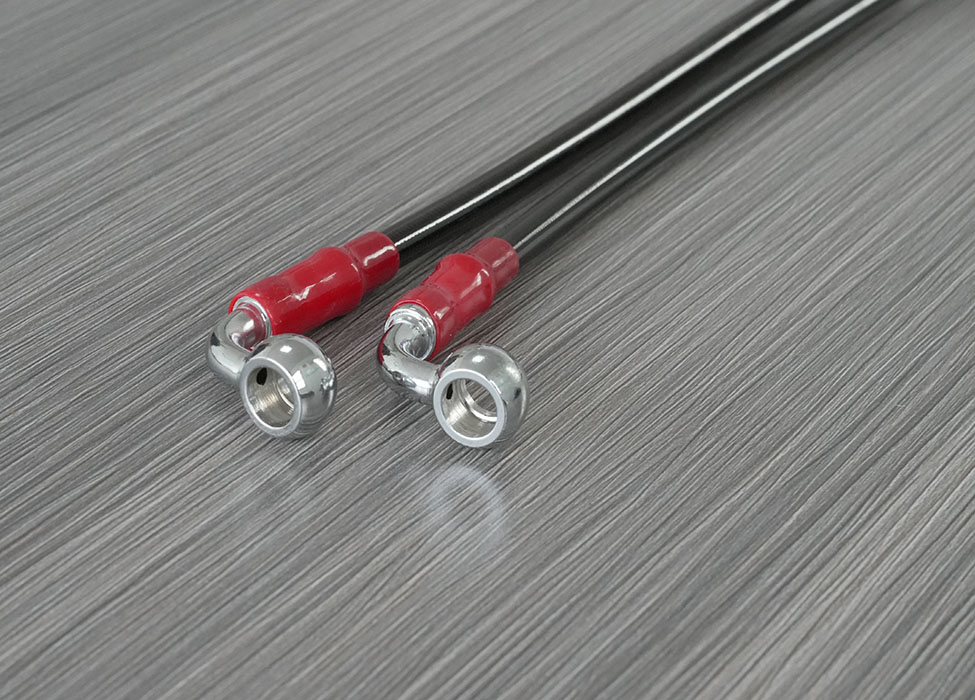
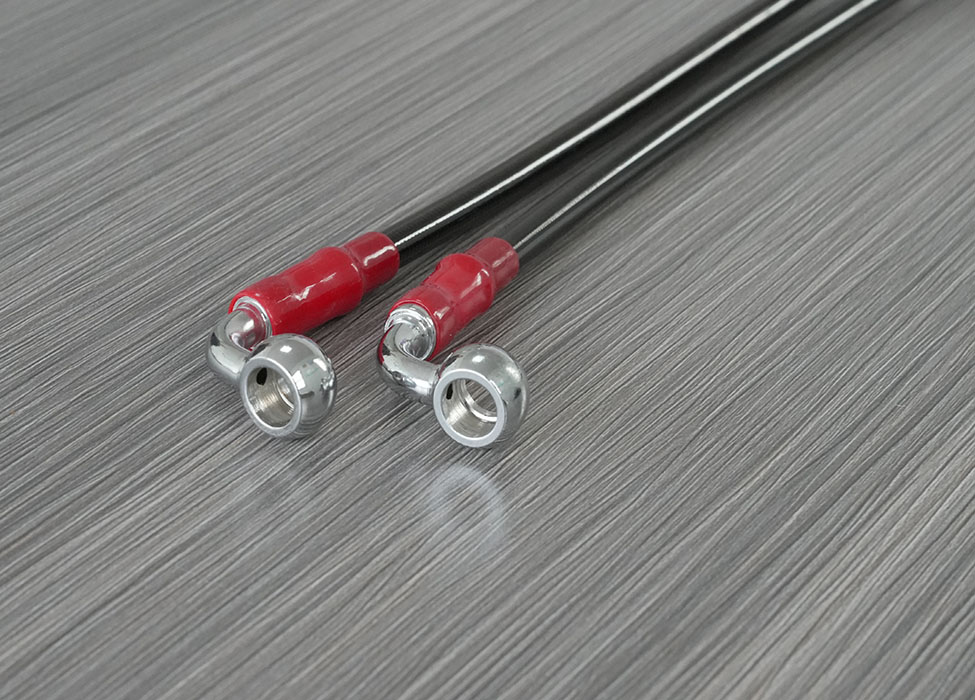
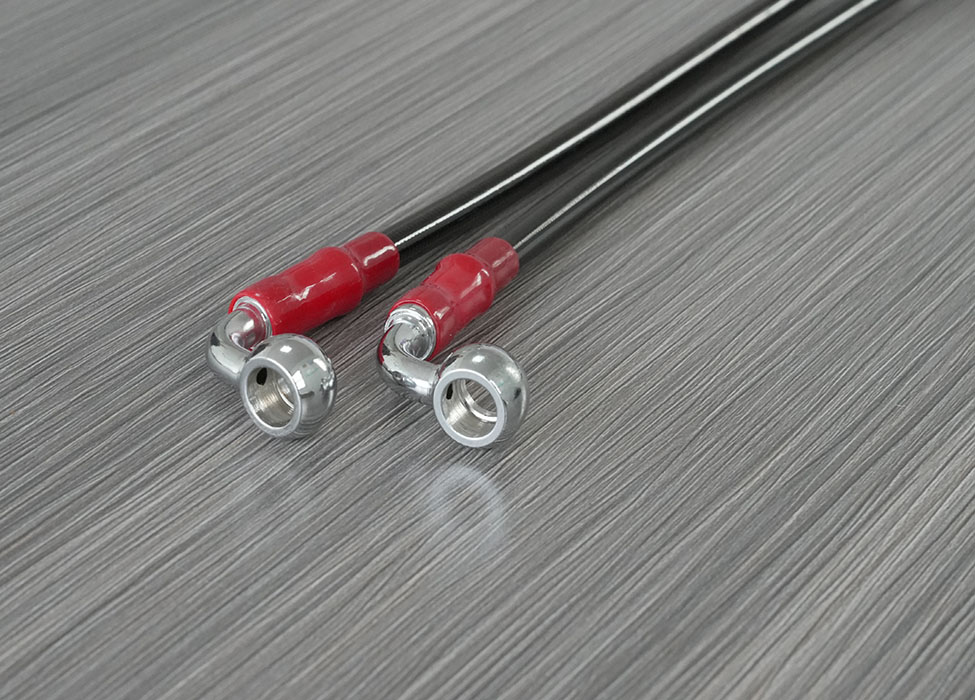
- Connectors: Corrosion-resistant nickel-plated or stainless steel bolts and end connectors ensure a leak-free seal.
Advantages: Clear brake feedback, stable pressure output, shorter effective braking distance, longer service life, anti-aging and anti-expansion properties.
Applications: High-performance scooters, upgraded brake calipers, models equipped with ABS, riders seeking precise control.


 +86+86-18903185773



 Hengshui City, Hebei, China.
 +86+86-18903185773