Automotive Brake Hoses: A Complete Guide to Materials, Standards, Selection, Maintenance, and Performance UpgradesIn the entire automotive braking system, brake hoses are one of the most indispensable and safety-critical components. Like a flexible hydraulic lifeline, they deliver pressurized brake fluid from the master cylinder to the wheel calipers and wheel cylinders. Unlike rigid steel brake lines fixed to the vehicle chassis, brake hoses can withstand continuous suspension travel, steering rotation, and chassis vibration, while also enduring extremely high hydraulic pressure, high temperatures, oil corrosion, and outdoor environmental damage over extended periods. For everyday drivers, fleet managers, automotive mechanics, and performance enthusiasts, a comprehensive understanding of the structure, material properties, international certification standards, selection rules, and maintenance specifications of automotive brake hoses is fundamental to ensuring driving safety, braking response, and vehicle reliability. This professional guide covers all the core knowledge of automotive brake hoses, providing an authoritative reference for original equipment manufacturer (OEM) replacement, aftermarket maintenance, and performance upgrades.
Core Function: The Critical Hydraulic Component of the Braking SystemAutomotive brake hoses are not ordinary rubber lines; they are precision-engineered components designed specifically for extreme braking conditions, performing several indispensable core functions. First, they achieve sealed high-pressure fluid transmission, stably delivering brake fluid pressures up to 10-20 MPa during emergency braking without any leakage or pressure loss. Simultaneously, they maintain excellent dynamic flexibility, capable of withstanding millions of bends, stretches, and torsions caused by suspension movement and steering operations without structural fatigue or breakage. Furthermore, qualified brake hoses possess excellent resistance to brake fluid corrosion, high temperatures, UV radiation, ozone, and road de-icing salts, preventing aging, expansion, and cracking even in harsh engine compartment and chassis environments. Any minor defects, aging cracks, or excessive expansion of the brake hose can directly lead to a soft brake pedal, delayed braking response, increased braking distance, or even complete brake failure; therefore, the inspection and maintenance of brake hoses are crucial.
Two Main Categories: Rubber Brake Hose vs. Stainless Steel Braided Brake HoseModern automotive brake hoses can be divided into two main categories based on their structural design and material composition: standard original rubber brake hoses and high-performance stainless steel braided brake hoses, suitable for daily commuting vehicles and high-performance/modified vehicles, respectively.
Original Equipment Manufacturer (OEM) Standard Rubber Brake HosesRubber brake hoses, as OEM parts, are widely used in most mass-produced passenger cars and light commercial vehicles. They feature a three-layer composite reinforced structure. The inner layer is made of oil-resistant synthetic rubber, with good compatibility with DOT 3, DOT 4, and DOT 5.1 brake fluids, preventing brake fluid penetration and corrosion. The middle layer uses a high-strength polyester or aramid fiber braided layer, which improves burst pressure and limits pressure expansion during heavy braking. The outer layer is a wear-resistant, UV-resistant, and ozone-resistant rubber protective layer, isolating external wear and environmental aging. Rubber brake hoses offer advantages such as low cost, OEM compatibility, quiet operation, and easy installation, fully meeting the braking needs of everyday passenger cars and urban commuter vehicles. However, they will experience slight expansion under continuous high pressure, and the material will gradually age over long-term use.
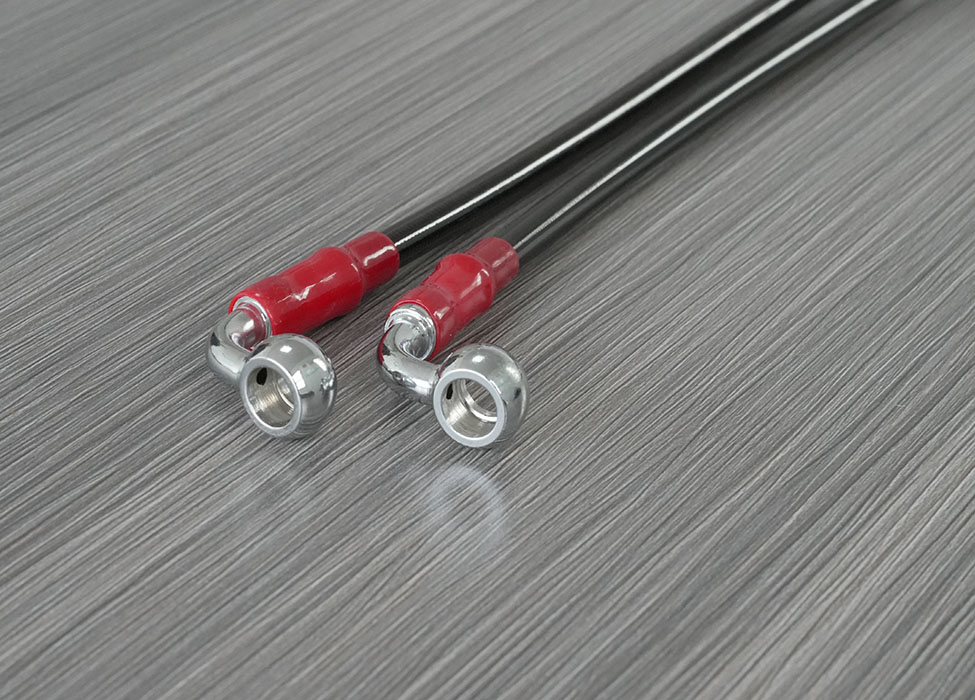
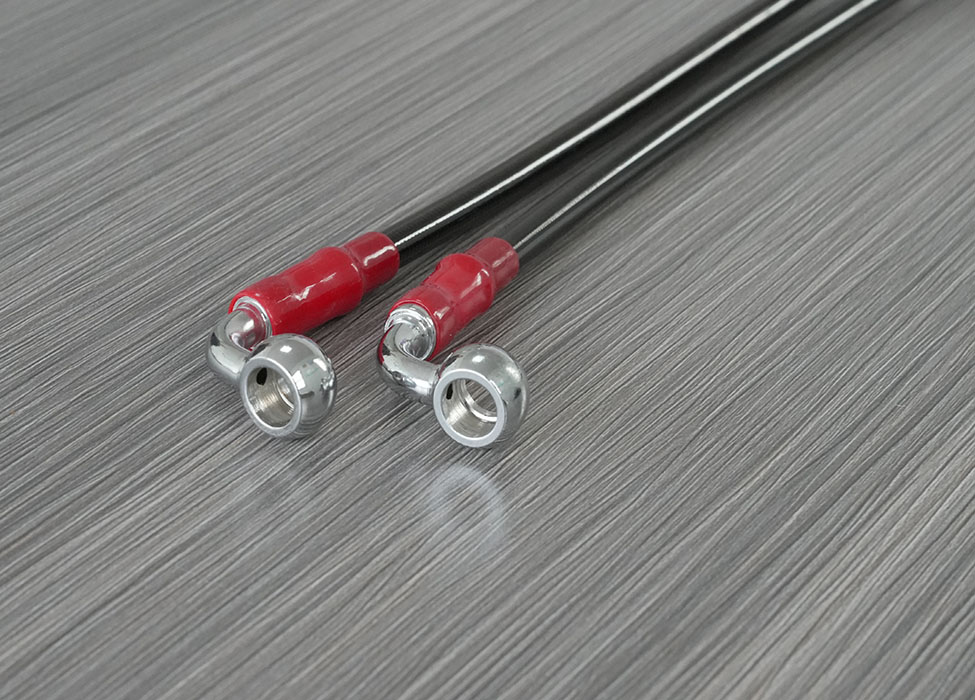
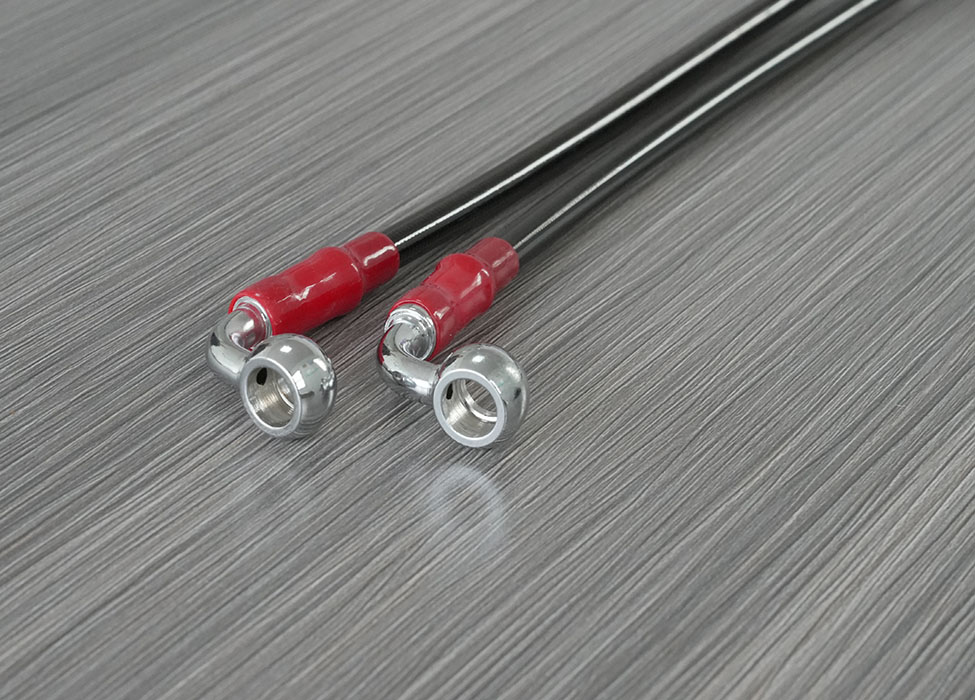
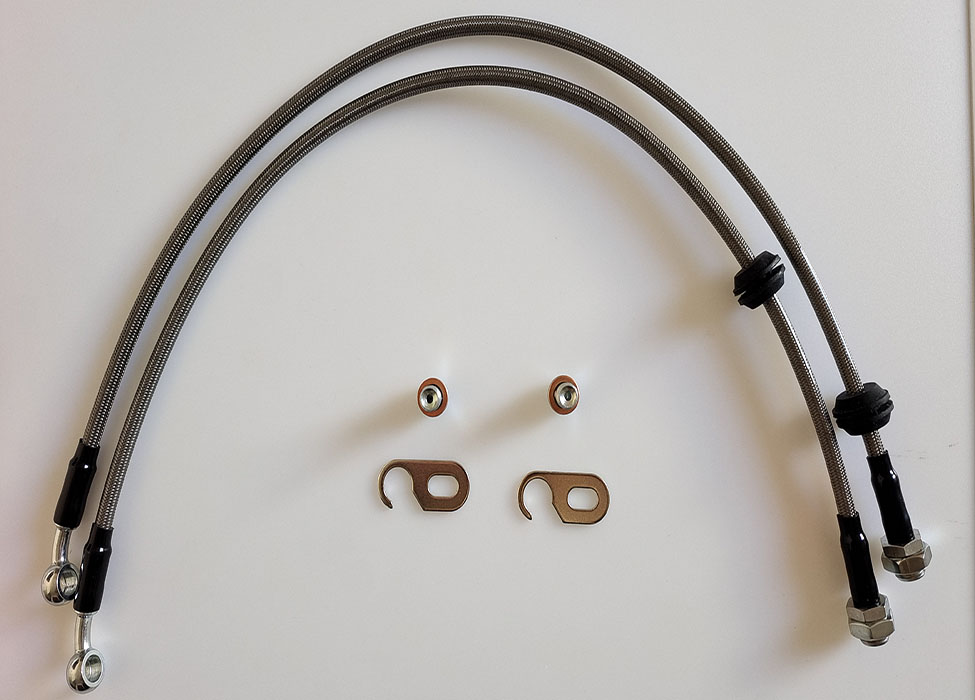
High-Performance Stainless Steel Braided Brake HosesAs an ideal upgrade component for high-performance cars, modified cars, heavy-duty trucks, and racing cars, stainless steel braided brake hoses feature a superior multi-layer structure, offering performance far exceeding that of rubber hoses. The inner core is made of polytetrafluoroethylene (PTFE, Teflon), which has zero oil absorption, ultra-high chemical stability, and heat resistance, and hardly expands under pressure. The middle reinforcing layer is braided from 304/316 stainless steel wire, maximizing burst strength and firmly securing the inner core to prevent expansion, thus enabling direct, instantaneous pressure transmission. The outer layer uses a color-coded PVC or nylon abrasion-resistant sheath to protect the steel wire braided layer from rust, wear, and external impacts, while also meeting personalized appearance customization needs. The end connectors are made of nickel-plated steel or stainless steel, precision-machined and perfectly sealed to prevent liquid leakage at the joints. This hose provides a firmer, more linear brake pedal feel, shorter emergency braking distance, and a longer service life.


 +86+86-18903185773



 Hengshui City, Hebei, China.
 +86+86-18903185773